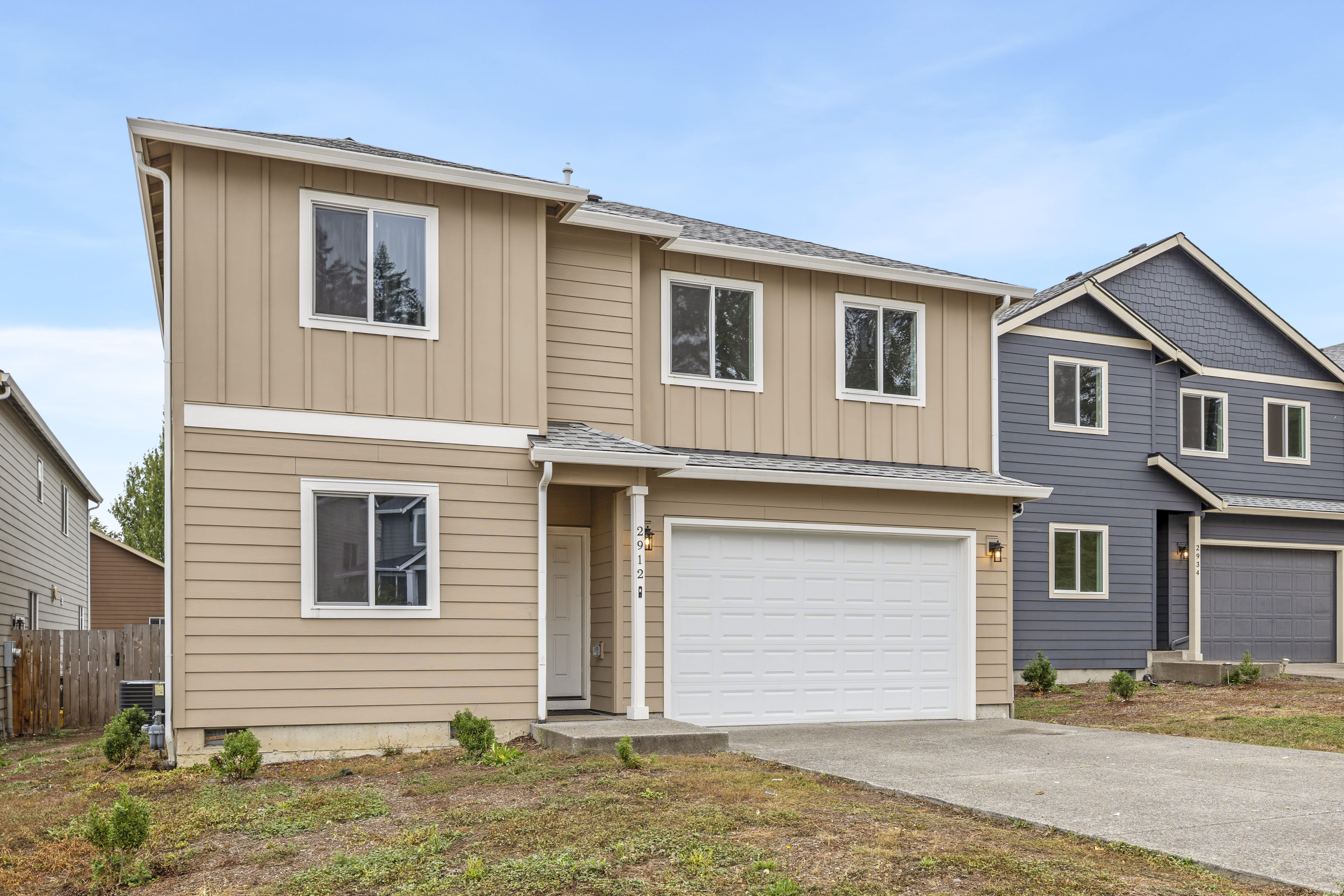
Daily Life in a Recovery Home Near Me: Building Routines That Last
When you start looking for a recovery home near me, it’s usually because you want some kind of stability. You’re most likely looking for something steady enough to help you stay sober without feeling like your whole life is being flipped upside down.
A recovery home offers that kind of environment: not too rigid and clinical but structured enough to help you get your footing again.
If you want to know what the day-to-day experience feels like, this blog is for you. This article walks you through what life inside a recovery home and how it helps you build healthy habits.
What Makes a Recovery Home Different From Regular Housing
Beyond being a place to stay, a recovery home is — at its core — a sober living community designed to support people in early sobriety.
In places like sober housing Portland Oregon, you live in a substance-free environment where rules, routines, and peer support help keep everyone on track. Unlike independent living, where the structure is up to you and accountability is minimal, recovery homes provide predictable schedules, shared responsibilities, and clear expectations that reinforce healthy habits.
If you’re one of these, it will be highly beneficial for you to stay in a recovery home:
- You’re transitioning from detox or inpatient rehab who still need support before returning to independent living.
- You require stability, accountability, or a safe, substance-free environment.
- You’re rebuilding daily routines, returning to work or school, or learning how to manage life in early sobriety.
Recovery homes aren’t a one-size-fits-all solution, but for many, they bridge the gap between treatment and independent living.
Core Daily Structure in a Recovery Home
If you’re searching for a recovery home near me, it helps to understand what life inside looks like day to day.
Recovery homes are built around clear expectations that keep the environment safe and supportive. Residents follow rules around cleanliness, curfews, and attendance at required meetings or activities. These are standards that make daily life predictable and reduce chaos.
To give you an idea, here’s what daily life looks like:
- Cleanliness standards. You keep your room and shared spaces tidy, which helps maintain a safe and organized environment for everyone.
- Curfews. You follow set times to be in the house, giving your day structure and reducing stress about decision-making during early sobriety.
- Attendance rules. You attend required meetings and activities to stay engaged with your recovery and make the most of the program.
- Mandatory check-ins. You report your progress and any challenges to house managers or peers, which builds accountability and support.
- Community meetings. You participate in group discussions where you can share experiences, solve problems, and strengthen your support network.
- Random drug and alcohol testing. You take part in testing that maintains a substance-free environment and reinforces your personal responsibility.

Support Systems Built Into Daily Life
In structured sober community housing, support is built into daily life, not just offered occasionally. You have access to peers, mentors, and house managers who check in regularly, answer questions, and provide guidance when challenges arise. These relationships create a safety net, helping you stay on track while you adjust to early recovery.
Group meetings and recovery-focused activities are another key part of the routine. You participate alongside others who understand what you’re experiencing, which makes it easier to discuss difficulties, celebrate progress, and stay engaged.
Living in a connected community helps build trust and reduces the sense of isolation that can make sobriety feel overwhelming. The combination of structured support, peer accountability, and consistent interaction creates an environment where you can focus on developing healthy habits and maintaining long-term recovery.
Healthy Habits That Form Inside Recovery Housing
When you live in a recovery home near me, you start building consistent routines for meals, personal hygiene, therapy sessions, and self-care. These daily patterns may feel simple at first, but they provide the foundation for stability in early sobriety.
You also practice emotional regulation and relapse-prevention skills repeatedly, which helps turn new coping strategies into habits you can rely on outside the house.
Over time, this structured environment slowly shapes long-term behavioral change. By following predictable routines and consistently applying the tools you learn, you begin to rebuild healthy habits that support sobriety and give you a framework for managing everyday life successfully.
What High-Quality Recovery Housing Looks Like
Considering just how impactful a recovery housing can be, it’s imperative to know how to find a good one. To help you out, here’s what a reputable recovery home looks like:
Safe, Clean, and Structured Living Environment
A top-quality recovery home ensures your living space is well-maintained, organized, and substance-free. This kind of environment lets you focus on recovery without distractions or safety concerns.
Strong Community Culture
Residents motivate and support each other through shared experiences, group activities, and informal check-ins. Being part of a positive community helps you stay engaged and accountable while reducing isolation.
Staff and Peer Leaders Who Encourage Accountability
House managers, mentors, and peer leaders provide guidance, answer questions, and monitor progress. Their support ensures you have help when challenges arise and don’t have to navigate recovery alone.
Connection to Outpatient and Mental Health Services
High-quality recovery homes link you to therapy, counseling, and medical care. This connection lets you address ongoing needs while still living independently.
Well-run recovery housing near me combines all of these elements to create an environment that fosters stability, independence, and long-term success in recovery.
How to Choose the Right Sober Housing Portland Oregon
Now, how do you find the best recovery home near me? Certainly, it takes more than just picking the closest option. You want a place that fits your needs, feels safe, and provides the right support to help you maintain sobriety.
To guide you, here are some questions to ask your prospects:
- What is the daily routine like for residents?
- How is accountability enforced, including check-ins or testing?
- What types of therapy, support groups, or mentorship programs are offered?
- How does the staff handle conflicts or violations of house rules?
- Are there opportunities for residents to participate in decision-making or house responsibilities?
It also helps to pay attention to red and green flags. In a structured sober community housing, red flags could include overcrowded spaces, unclear or inconsistent rules, lack of trained staff, and a generally unsafe environment.
As for the green flags, these include a clean and organized environment, consistent rules, trained and approachable staff, gender-specific or private accommodations if needed, and a positive community culture where residents support each other.
Location, Rules, Staff Quality, and Community Atmosphere
The location of the recovery home matters for convenience and safety, including access to work, school, or outpatient programs.
Clear, consistent rules create predictability and help you develop healthy habits. Staff quality is equally important: Mentors and managers should be trained, approachable, and available when you need guidance.
Finally, the community atmosphere plays a big role in your experience. Living among people who are respectful, motivated, and supportive makes it easier to stay accountable and engaged in recovery.

Conclusion
Recovery homes provide more than just a place to live. Ultimately, they give you structure, accountability, and a supportive community that makes early sobriety manageable. The routines, peer support, and access to resources help you build habits that last well beyond your time in the house.
When choosing a home, focus on what matches your needs, lifestyle, and recovery goals. The right environment can make a real difference in how confident and prepared you feel for life outside the program.
If you’re ready to find a recovery home near me that fits your journey, NW Recovery Homes is an excellent choice. Contact our team to learn why.

Emmy Borromeo
Author
Emmy Borromeo Author Emmy is a content specialist dedicated to helping brands boost their online presence and reputation through tailored, well-researched copy. With expertise across diverse niches—including mental health—she crafts messages that resonate with target audiences.
Settle In With NW Recovery Homes
The first step to living the life you want is leaving the life you don’t want.